Styles of Sushi
Click the arrows below to move through each style. Each piece is presented on its own, the way a sushi chef serves a tasting menu, one course at a time.
Nigiri
Hand Pressed Sushi
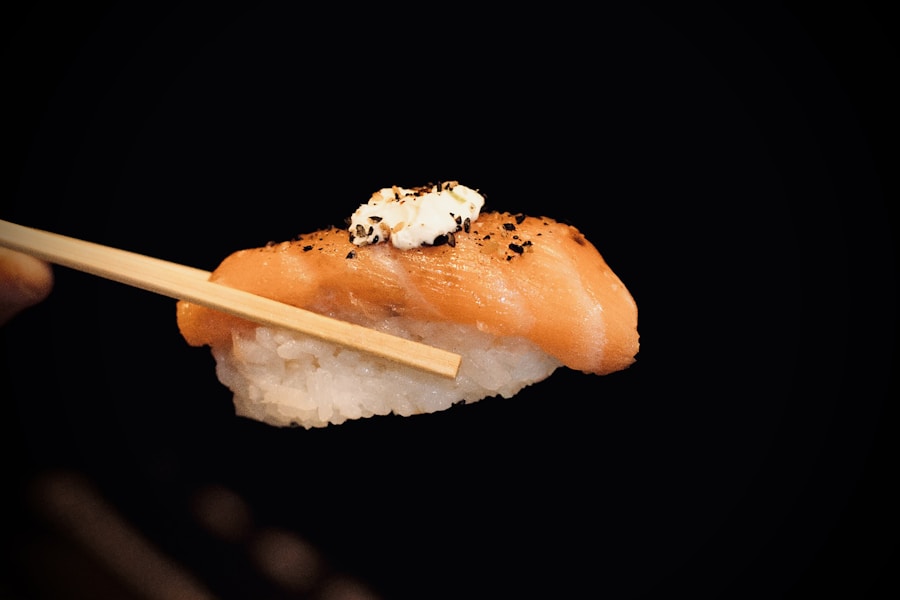
Nigirizushi, or "hand-pressed sushi," consists of an oblong mound of sushi rice that a chef presses between the palms of the hands to form an oval-shaped ball, with a topping draped over it. It is usually served with a bit of wasabi. Toppings are typically fish such as salmon, tuna, or other seafood.
Certain toppings are bound to the rice with a thin strip of nori, most commonly octopus, freshwater eel, sea eel, squid, and sweet egg (tamagoyaki). The modern form is believed to have been created by Hanaya Yohei around 1824 in Edo (Tokyo).
Maki
Rolled Sushi
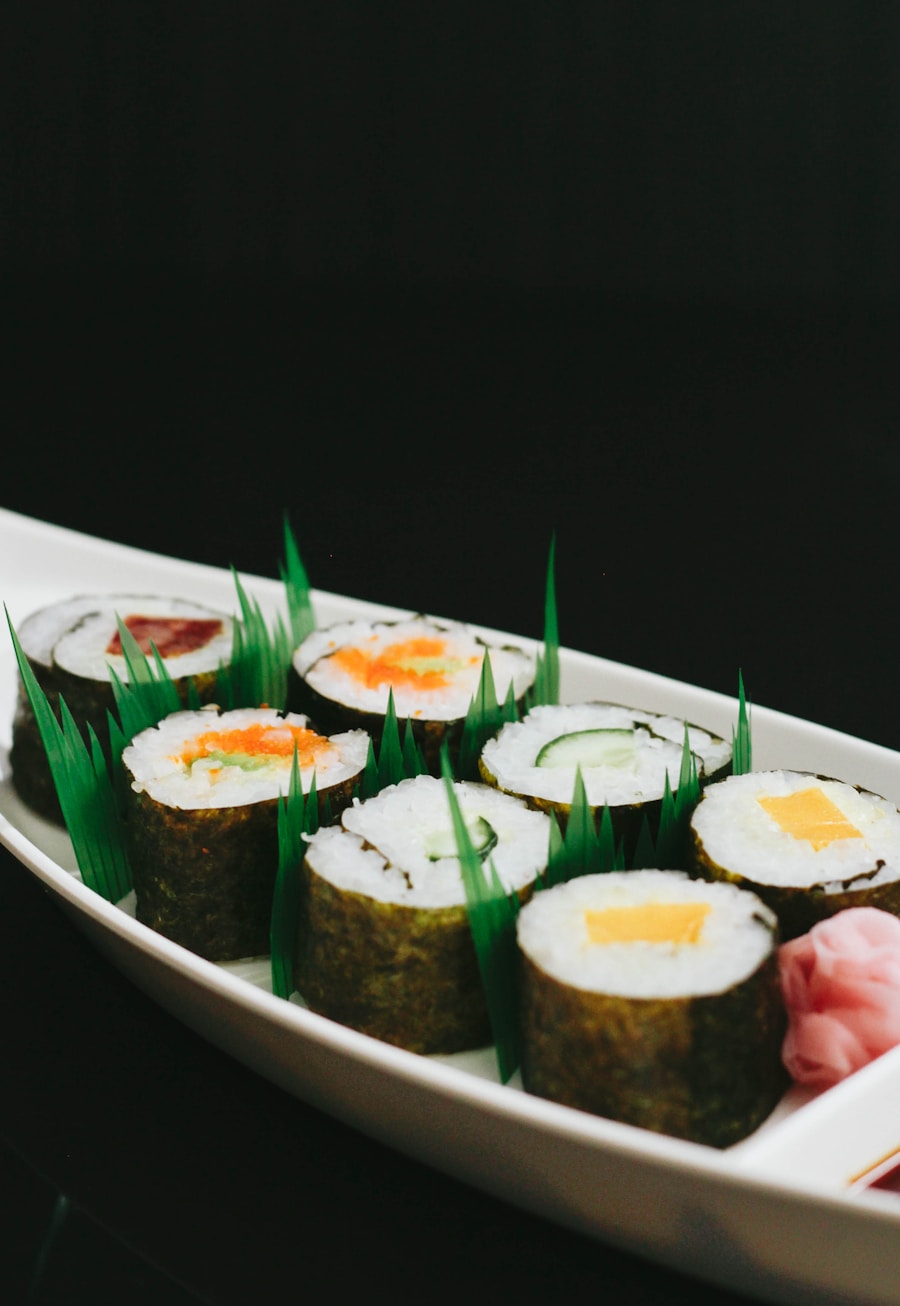
Makizushi, meaning "rolled sushi," is a cylindrical piece formed using a bamboo mat called a makisu. It is generally wrapped in nori (seaweed) but can also be wrapped in a thin omelette, soy paper, cucumber, or shiso leaves. Makizushi is typically cut into six or eight pieces for a single roll order.
Common types include futomaki (thick rolls, 5 to 6 cm in diameter, with multiple fillings), hosomaki (thin rolls with one filling, about 2.5 cm in diameter), and temaki (large cone-shaped hand rolls with nori on the outside and ingredients spilling from the wide end).
Sashimi
Sliced Raw Fish, Without Rice
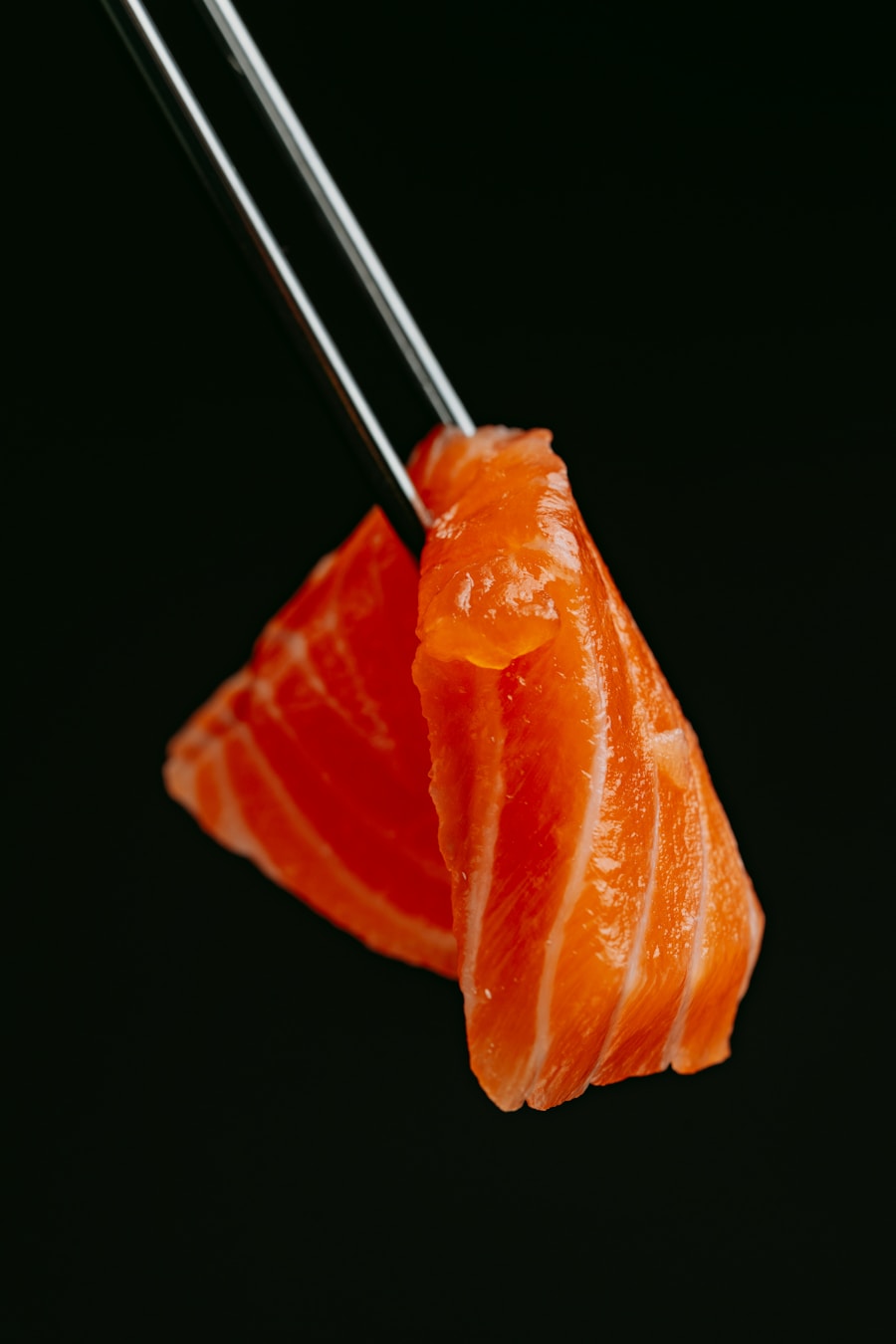
Sashimi is sometimes confused with sushi, but it is a separate dish consisting of thinly sliced raw fish or occasionally meat, served without rice. Because it contains no vinegared rice, sashimi is not technically a type of sushi.
For culinary, sanitary, and aesthetic reasons, fish meant to be consumed raw must meet superior quality and freshness standards compared to cooked fish. Sushi chefs are trained to identify important attributes including smell, color, firmness, and freedom from parasites.
Western Style
Adapted Abroad
The increasing popularity of sushi worldwide has resulted in variations typically found in the Western world but rarely in Japan. The California roll, which uses imitation crab, avocado, and cucumber, is one of the most widespread forms. The common theme in its origin stories is that surrounding the roll in rice made it more appealing to Western consumers.
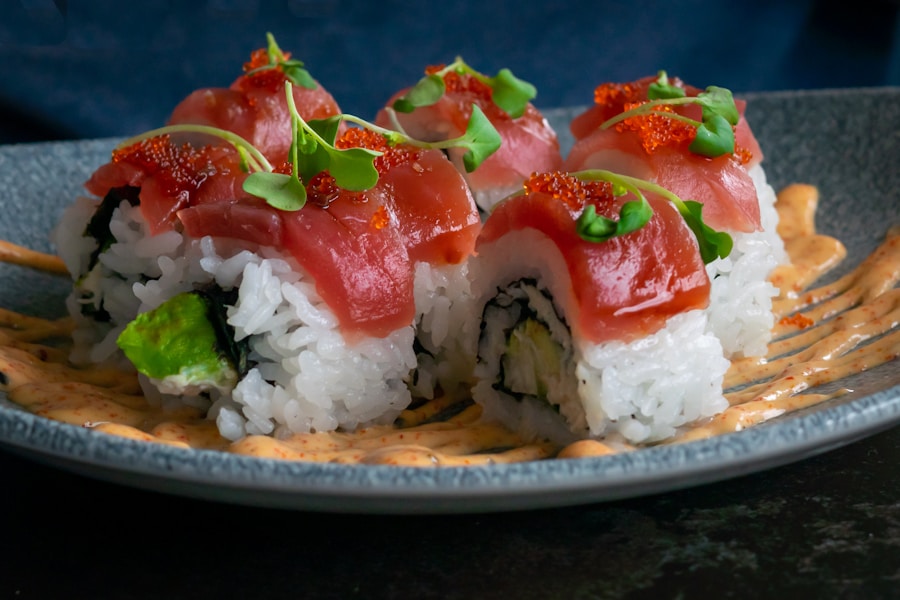
Uramaki, or "inside-out roll," was developed as a method to hide the nori. The filling is surrounded by nori, then a layer of rice, and optionally an outer coating of roe or toasted sesame seeds. Popular American variations include the rainbow roll, spider roll, dragon roll, and spicy tuna roll.