From Fermented Fish to Fast Food
The term sushi literally means "sour-tasting," derived from an archaic Japanese conjugation of the adjectival verb meaning "to be sour." What began as a Southeast Asian method of preserving fish in fermented rice traveled through China and settled in Japan, where it was reshaped over more than a thousand years.
4th Century (Earliest Record)
Narezushi Origins
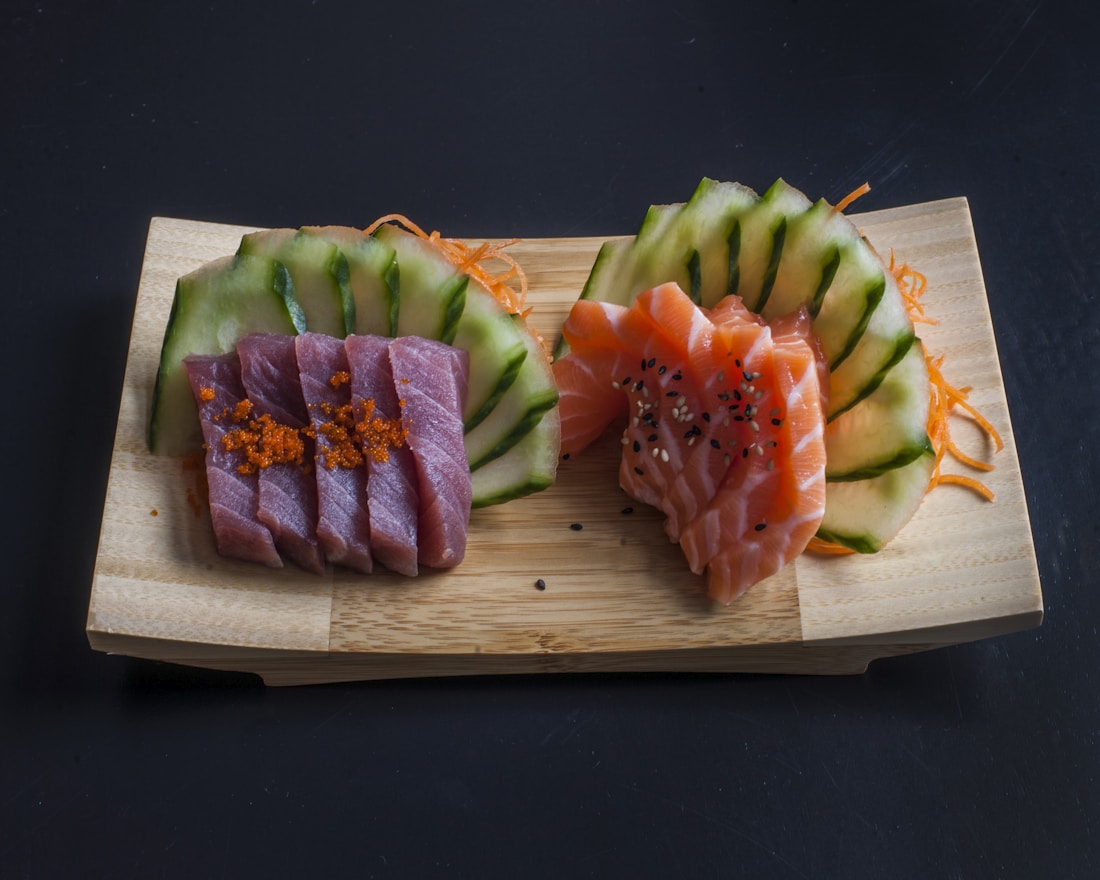
A dish known as narezushi, meaning "matured fish," stored in fermented rice for possibly months at a time, has been cited as one of the early influences for the Japanese practice of applying rice on raw fish. The first mention of a narezushi-like food appears in a Chinese dictionary thought to be from the fourth century, referring to salted fish placed in cooked rice that fermented via lactic acid.

8th Century
Narezushi Arrives in Japan
Fermented fish using rice originated in Southeast Asia, possibly in the Mekong River basin. The lacto-fermentation of the rice prevented the fish from spoiling. When wet-field rice cultivation was introduced during the Yayoi period, fish would get caught in rice paddy fields during floods. Pickling preserved the excess fish and guaranteed food for the following months, making narezushi an important source of protein.
1336 to 1573 (Muromachi Period)
Namanare, Partially Fermented
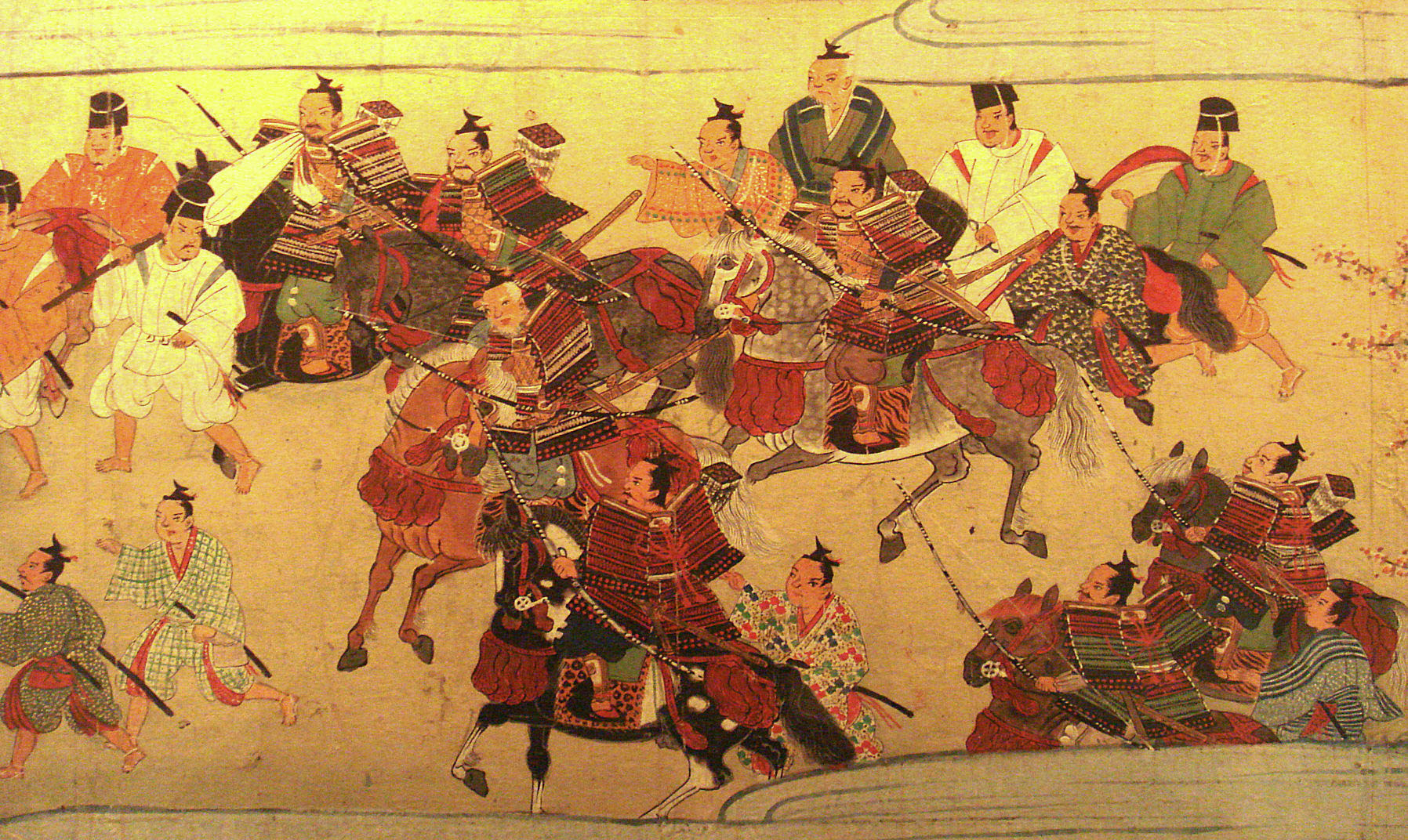
During the Muromachi period, Japan created a sushi style called namanare, meaning "partially fermented." The fermentation was briefer than the prior narezushi approach, and the rice was consumed alongside the fish rather than discarded. This marked the moment sushi changed from a preserved fish food to a food where fish and rice are eaten together.

1603 to 1867 (Edo Period)
Hayazushi, Fast Sushi
The Edo period introduced hayazushi, or "fast sushi." Rather than relying on lactic fermentation, vinegar was mixed with rice to create sourness, allowing simultaneous consumption of fish and rice. This innovation eliminated fermentation entirely, transforming sushi into fast food. Many modern sushi varieties, including chirashizushi, inarizushi, makizushi, and nigirizushi, were developed during this period.
1820s
Hanaya Yohei and Edomae Sushi
Nigirizushi, consisting of an oblong rice mound topped with fish, became popular in Edo (Tokyo) during the 1820s and 1830s. Chef Hanaya Yohei is credited with inventing or perfecting the technique in 1824 at his shop in Ryogoku. It was the fast food of the chonin class. The term "Edomae zushi" originated from freshly caught fish from Edo Bay.
1958
Conveyor Belt Sushi
In 1958, Yoshiaki Shiraishi opened the first conveyor belt sushi restaurant, called "Genroku Zushi," in Higashi-Osaka. Conveyor belts carry plates of sushi past diners, who choose whatever they want. When Genroku Sushi appeared at the 1970 Japan World Exposition in Osaka, it won an award. By 2021, the market had expanded to 700 billion yen.
1960s Onward
Sushi Reaches the West
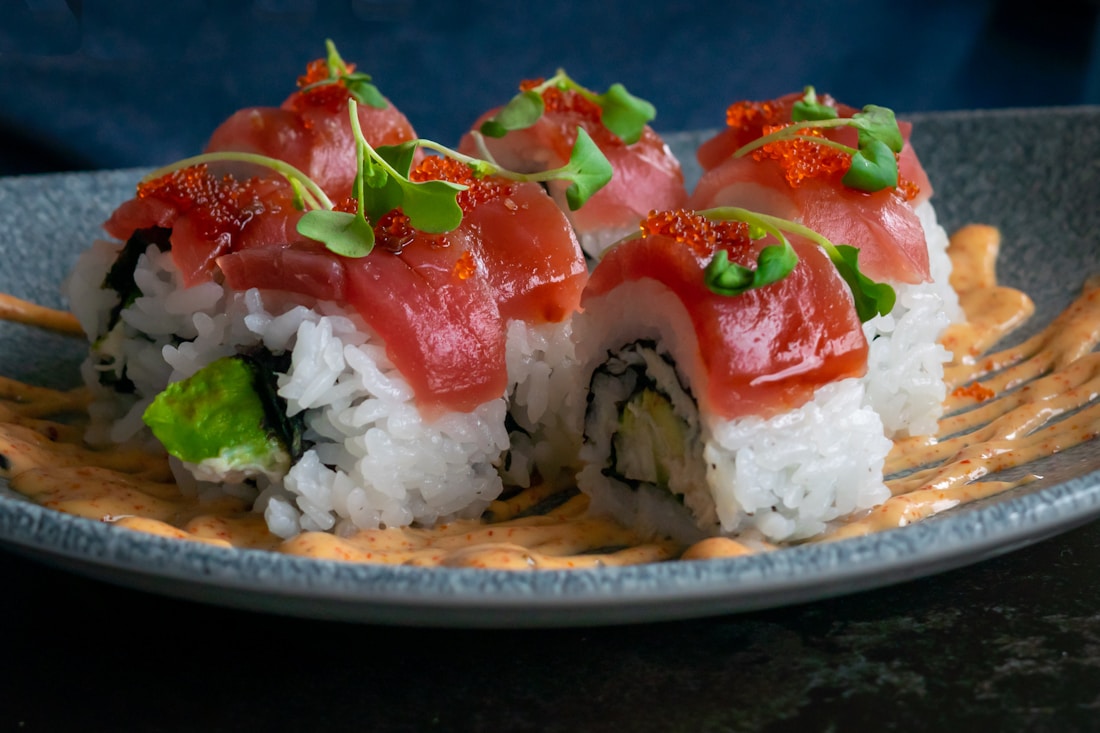
The increasing popularity of sushi worldwide resulted in variations typically found in the Western world but rarely in Japan. The California roll, one of the earliest Western adaptations, was created to suit local palates using imitation crab, avocado, and cucumber. By surrounding the roll in rice with the nori hidden on the inside, chefs made it more appealing to Western consumers who had never eaten traditional sushi.