How to Eat Sushi
Unlike sashimi, nigirizushi is traditionally eaten with fingers, even in formal dining settings. The following customs are part of sushi dining culture as described on Wikipedia.
- Unlike sashimi, which is eaten with chopsticks, nigirizushi is traditionally eaten with the fingers, even in formal settings.
- Soy sauce serves as the standard condiment. Traditional etiquette dictates that sushi should be inverted so only the topping contacts the sauce, not the rice.
-
- The rice is already seasoned with rice vinegar, sugar, salt, mirin, and kombu. Dipping the rice directly into soy sauce causes it to absorb too much and become damaged.
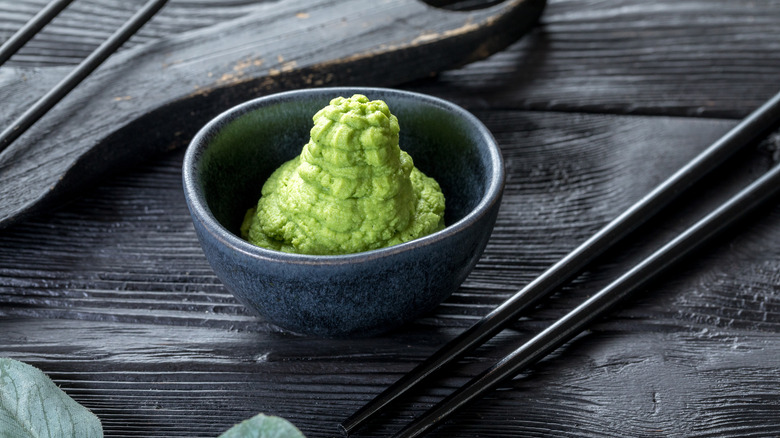
- Conventionally, the sushi chef determines the appropriate amount of wasabi during preparation, and diners were not expected to add more.
- Modern practice has shifted this approach. Today, wasabi is a matter of individual preference, and many Japanese restaurants serve it separately, allowing customers to add it according to their taste.
-
- Gari, or sweet pickled ginger, is consumed between courses to cleanse the palate and support digestion. It is not placed on top of the sushi.
- Green tea invariably accompanies sushi service in Japan. In sushi terminology, green tea is referred to as agari.
-
